
CBIST Spotlight: Dr. Karin Thomas SLP.D, CCC-SLP, CBIST
Categories: ACBIS Insider
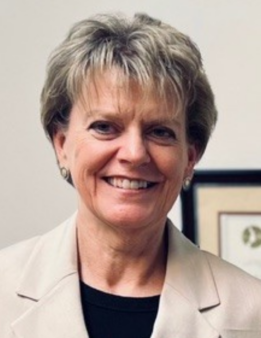 Dr. Karin Thomas, SLP.D, CCC-SLP, CBIST, is an associate professor and chair of the Department of Speech Language Pathology at Saint Mary’s College, Notre Dame, Ind., where she teaches undergraduate and graduate courses. She also worked as a medical speech-language pathologist for more than 35 years, providing services in acute care, inpatient rehabilitation, and outpatient rehabilitation departments specializing in acquired brain injury. Other specializations include dysphagia, motor speech disorders, and neurodegenerative communication disorders.
Why is having a CBIST important to you? How is it helpful in your daily work?
My interest in the CBIST credential actually began as an effective way to demonstrate additional brain injury training, which designated me as a provider of brain injury services for individuals whose insurance was out of network. Two things immediately became apparent to me: the value of the credential from a professional and administrative standpoint and the clinical benefits relating to advocacy and education. The CBIST credential ultimately resulted in important team-building experiences with other rehabilitation disciplines. I have also appreciated that the CBIST training materials continue to be updated and relevant.
How has the field of brain injury changed in your time working?
From my perspective, the field of brain injury has changed significantly over the last 40 years. In particular, we have witnessed more patients surviving catastrophic injuries, better medical treatment options, and better rehabilitation team integration for improved outcomes. Nevertheless, even with more resources for short-term and long-term care, there are still unmet needs for patients and their families.
Why have you chosen a career in brain injury? Why are you passionate about brain injury?
As a freshman in college, I couldn’t seem to decide what my major should be as I tried out several mismatched choices. It was an introductory course in communication disorders that hooked me on the field of speech-language pathology, with the primary focus of acquired brain injuries. For me, any field that connected communication disorders and neuroscience was appealing. After decades as a practitioner and teacher, I’m grateful for this career path: working with individuals recovering from brain injury has proven to be rewarding, challenging, and constantly evolving.
What do you see as the future of the brain injury field?
Evidence-based practice guidelines encompass the future of brain injury work, integrating experience, research, and patients’ wishes. Rehabilitation then becomes more collaborative and geared to improved outcomes. Personally, my research interests have primarily focused on recovery and restoration of prior functions and compensatory strategy training. In other words, I am keenly interested in the continued development of clinical intervention, inclusion of quality-of-life measures, and positive patient outcomes.