
CBIS-AP Spotlight: Natalie Mayberry Baumgartner, M.S., CCC-SLP, CBIS-AP
Categories: ACBIS Insider
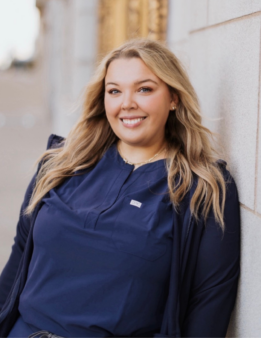 Natalie Mayberry Baumgartner, M.S., CCC-SLP, CBIS-AP, is a speech-language pathologist at Kaiser Inpatient Rehabilitation Center in Tulsa, Okla., where she works with patients with a variety of neurological diagnoses, including TBI, stroke, Parkinson’s disease, and other acute and progressive neurological conditions. She also serves as clinical adjunct faculty at The University of Tulsa and as the Clinical Coordinator of Tulsa Concussion Center, an interdisciplinary clinic that brings together athletic training, psychology, and speech-language pathology. Natalie has a strong clinical interest in the evaluation and treatment of cognitive-linguistic disorders, dysphagia, aphasia, dysarthria, apraxia of speech, and voice disorders. She is particularly passionate about helping individuals improve skills such as attention, memory, executive functioning, and awareness through functional, patient-centered interventions that support greater independence in everyday life.
Why have you chosen a career in brain injury? Why are you passionate about brain injury?
I chose to work in brain injury because I love helping people rediscover what they’re capable of after life has unexpectedly changed. A brain injury can affect so many aspects of a person’s identity: their ability to communicate, think, remember, work, and connect with the people they love. Being able to walk alongside someone during that journey and help them regain confidence and independence is incredibly meaningful to me.
What I’m most passionate about is that recovery is rarely just about exercises or therapy tasks. It’s about helping someone return to the moments that matter most—having a conversation with family, going back to work, remembering important events, solving everyday problems, or simply feeling like themselves again. Every brain injury is different, which challenges me to be creative, continually learn, and tailor therapy to each person’s unique goals.
One of the greatest privileges of my career is witnessing the resilience of the human brain and the determination of the people I work with. Even when progress comes in small steps, those moments can have a profound impact on someone’s quality of life. Knowing that I can play a small part in helping people rebuild their lives is what makes this work so rewarding and why I’m so passionate about brain injury rehabilitation.
I chose to work in brain injury because no two people or recoveries are ever the same. Every day challenges me to think creatively and tailor treatment to each individual’s goals, strengths, and life circumstances. I love helping people regain the skills that allow them to reconnect with the things that matter most, whether that’s returning to work, participating in family conversations, driving again, or simply feeling more confident in everyday life.
What keeps me passionate is witnessing the resilience of my patients. Recovery isn’t always linear, and progress often comes in small victories, but those moments can completely change someone’s quality of life. It’s incredibly rewarding to be part of that journey and to help people realize that there is hope and potential for growth after a brain injury.
How has the field of brain injury changed in your time working?
One of the biggest changes I’ve seen is an increased appreciation for individualized, patient-centered care, particularly within speech-language pathology. One of the most common misconceptions about our field is that we only treat speech and language disorders, when our scope in brain injury rehabilitation is actually much broader. SLPs play an important role in evaluating and treating communication, cognitive-linguistic, and swallowing disorders following brain injury.
One of the things I love most about being an SLP is the opportunity to address cognitive-linguistic skills such as executive functioning, memory, awareness, attention, and problem-solving—skills that directly impact a person’s ability to function independently in everyday life. We also assess and treat swallowing disorders, which can have a significant impact on a person’s safety, health, independence, and quality of life.
I do think there is growing awareness of the SLP’s role in brain injury care, particularly in the treatment of cognitive-communication disorders, but I would love to see that understanding continue to expand. Our role is not simply helping someone perform better on a standardized assessment. It is helping them apply those skills in meaningful, functional situations—managing their responsibilities, returning to work or school, navigating relationships, participating in their community, and getting back to the activities that are important to them.
I also think the field as a whole has become more aware that recovery does not end when someone leaves the hospital or rehabilitation setting. We continue to learn more about neuroplasticity and the importance of meaningful, functional activities in recovery, and I think that has helped shift the focus toward treating the whole person and considering what life looks like beyond discharge.
At the same time, there is still significant work to do in increasing awareness of the full scope of speech-language pathology in brain injury care and improving access to specialized services.
Why is having a CBIS-AP important to you? How is it helpful in your daily work?
Earning my CBIS and the Advanced Practice credential demonstrates a commitment to providing evidence-based, specialized care for individuals with brain injury. More importantly, it gives me additional knowledge and practical tools to better advocate for my patients and their families.
Every day I work with individuals whose injuries affect much more than cognition or communication. Having specialized training helps me educate families, collaborate with other professionals, and ensure that patients receive care that recognizes the unique and often complex challenges associated with brain injury.
What are some challenges you have faced working with individuals with brain injury?
One of the biggest challenges is the lack of awareness surrounding brain injury. Many of the effects are invisible, making it difficult for others to understand why someone may struggle with memory, attention, fatigue, emotional regulation, or communication despite appearing physically well. Another challenge is the limited availability of resources and ongoing support once formal rehabilitation ends. Recovery doesn’t stop when therapy ends, and many individuals and families are left trying to navigate long-term challenges with limited guidance or community support.
How can clinicians best support individuals, caregivers, and family members?
Education is one of the most valuable things clinicians can provide. Helping families understand how a brain injury affects thinking, behavior, communication, and emotions allows them to respond with greater empathy and realistic expectations rather than frustration. It’s also important to remember that we’re treating a person, not just an injury. Taking time to understand someone’s goals, interests, support system, and daily challenges helps make therapy more meaningful and prepares both the individual and their caregivers for long-term success.
What do you see as the future of the brain injury field?
I hope we continue to see greater emphasis on community reintegration and long-term support after rehabilitation. Success shouldn’t only be measured by what happens during therapy, but by whether someone is able to participate in meaningful activities, relationships, work, and community life. I’d also love to see increased investment in prevention efforts for populations at high risk for brain injury, along with broader public education that helps people better understand the lasting effects of brain injury and the importance of early intervention and specialized rehabilitation.