
CBIST Spotlight: Lynn A. Schaefer
Categories: ACBIS Insider
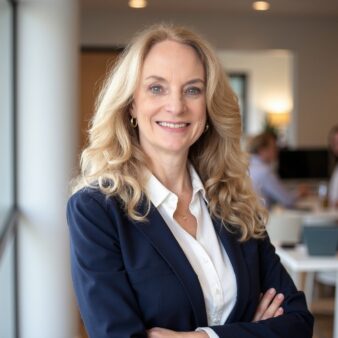 Lynn A. Schaefer, Ph.D., ABPP, CBIST, earned her bachelor’s degree from Binghamton University and her Ph.D. in Psychology from the City University of New York with a specialization in clinical neuropsychology. Dr. Schaefer is the Director of Neuropsychology Services and Training at Nassau University Medical Center in East Meadow, N.Y., where she has been for 18 years. She is board-certified in Clinical Neuropsychology by the American Board of Professional Psychology and is a Fellow of both the American Psychological Association and the National Academy of Neuropsychology. She holds academic appointments as Adjunct Clinical Professor of Psychiatry (NYITCOM) and as Clinical Associate Professor of Rehabilitation (Stony Brook Medicine). She has been a Certified Brain Injury Specialist Trainer since 2011.
Why have you chosen a career in brain injury?
As a neuropsychologist, I work with patients who have suffered injuries or illnesses to their brains. I conduct comprehensive neuropsychological evaluations of their cognitive strengths and weaknesses, and provide psychotherapy and cognitive remediation to help them cope with and compensate for any deficits. Unlike some neurological or psychiatric disorders, literally any one of us can experience a brain injury. They are frighteningly common, traumatic, and impact all aspects of a person’s life. The good news, however, is that, compared to some conditions (i.e., neurodegenerative disorders), people with brain injury do improve. Each person’s challenges will vary, and their rehabilitation and recovery will look different, but there is hope. It is an honor to travel with each patient on their journey.
How has the field of brain injury changed in your time working?
One of my first jobs after graduation was in sub-acute rehabilitation, before working at the Rusk Institute of Rehabilitation Medicine (now part of NYU Langone Health). This was over 20 years ago. Everything then was done mostly by paper, fax, and telephone. Smartphones had just come out. Technology has advanced so much since then. The COVID-19 pandemic only accelerated this trend. Now I follow some patients via video telehealth platforms, which is more accessible for them, and I get to see them in their home environment. We also utilize many smartphone and smartwatch apps to augment memory, provide home-based practice and reinforcement of skills, encourage accountability, and support independence. In other areas, researchers are working on the prevention of brain injury, such as new helmet designs with advanced safety features for sports (such as football) and cycling, and technological innovations in cars and other vehicles. As in medicine, there are myriad ways the field has evolved over time, and will continue to.
Why is having a CBIS(T) important to you? How is it helpful in your daily work?
I am passionate about educating patients, their families, other healthcare workers, and the public about brain injury. I have utilized the CBIST credential in training psychology doctoral students, psychiatry and rehabilitation medical residents, and the rest of the treatment team where I work, on different aspects of brain injury, with the goal of improving patient care. The structure and resources of the ACBIS training have been enormously useful, and the curriculum also covers areas of education that are frequently neglected, such as legal and ethical considerations, sexuality, aging with a brain injury, substance abuse, and brain injuries seen in military settings, to name a few.
What are some challenges you have faced working with individuals with brain injury?
I find some of the biggest challenges to be behavioral, whether the individual exhibits impulsivity, disinhibition, abulia, or aggression as a result of their brain injury. These conditions can interfere with participation in treatment and are extremely difficult for families to negotiate. Patients can be unaware, but still be a danger to themselves, requiring intensive supervision. I think the greatest challenge of all when working with individuals is helping them accept their brain injury and the resultant changes, and their need for behavioral and cognitive compensatory strategies. Unfortunately, there is no pill for acceptance, and it is a process that takes a great deal of time, patience, education, and grieving the loss of the pre-injury self.
How can clinicians best support individuals, caregivers, and family members?
The most important things we can do are to listen, educate, and advocate for our patients. Listen to those involved; sometimes their concerns are different from what we anticipate. Education is extremely important, and yet underrated. Family members and caregivers need education and training about brain injury, what to expect, how to help the individual, and how to take care of themselves at the same time. I often use the airplane metaphor of “put your own mask on first” with family and caregivers, to emphasize that without self-care, they will not be able to sustain supporting their loved one. Advocacy can involve bringing in other professionals, such as social workers or attorneys, if there are issues regarding home care, insurance coverage, disability, or decision-making capacity. It also means advocating for our patients at the facility, local, state, and national levels for more equitable access to care, additional resources, and insurance coverage.
What do you see as the future of the brain injury field/research/education?
As others have mentioned, there is already research going on into breakthroughs like: the impact of artificial intelligence (to augment, not replace, clinicians’ rehabilitation efforts); precision medicine; and neuromodulation, neuroplasticity, and neuroregeneration. Over time, these technological advances will become the norm. Research and educational efforts in the future will likely also focus more on the prevention of brain injury. Finally, I think increasing awareness of brain injury and its implications amongst the public and other professionals is vital for the future. For example, studies have shown that the rates of traumatic brain injury are significantly higher in the mentally ill, the homeless, and the incarcerated. Thus, the goal would be for increased education and awareness to lead to policy changes, enhanced community support, and a more collaborative, multidisciplinary approach to care for these vulnerable populations. Hopefully, there will continue to be governmental funding of research and education in the field of brain injury in the future, to allow for further advances!
Are you involved with BIAA or ACBIS in other ways (for instance, as a fundraiser or Board member)?
I have given talks for the Brain Injury Association of New York State’s (BIA-NYS) Professional Development Webinar Series, on the Neuropsychiatric Sequelae of Brain Injury and on Decision-Making Capacity: What Patients with Brain Injury and Their Families Need to Know.