
Surviving Was Only the Beginning: Growing Up After Brain Injury
In November 1975, I was ten years old when I fell from a block wall in Las Vegas and landed on exposed rebar that penetrated my brain. Doctors didn’t expect me to survive. I did, but it would take me years to understand how much life had changed that night.
The years that followed brought surgeries, reconstruction, and a lot of time spent recovering when I wanted to be outside being a kid. I wanted to ride my bike, play with my friends, and stop seeing that worried look on the faces of the adults around me. At that age, getting back to ordinary life meant more to me than anything I could’ve said about the meaning of survival.
Four years later, in 1979, I was in Salt Lake City recovering from another reconstructive surgery when I accepted a ride on the back of a motorcycle. We crashed, and I suffered another serious brain injury, a seizure, and permanent hearing loss in my left ear.
There’s a stretch of time after that accident that I know only through what other people have told me. When I became aware of my surroundings again, I was painfully weak, thin, and exhausted. Even simple movement could leave me drained, and concentrating took more effort than I knew how to explain.
Because doctors were concerned about complications, my mother and I stayed with relatives near the hospital for months. I wasn’t allowed to be alone in a room. At fourteen, I didn’t fully understand everything the adults were watching for. I just knew someone was always close by.
One thing I remember from those months is playing Pong. It was a simple game, but following that little shape across the screen sometimes took more concentration than I had to give. Still, being able to follow it and react meant something to me. It reassured me that I could still do those things, even when they were difficult.
I also remember answering the hospital phone with my left ear and hearing nothing. When I moved the receiver to my right ear, the voice came through clearly. My father noticed what was happening and wanted to do everything he could to help. But the hearing loss was permanent, and I was beginning to learn that some parts of recovery would mean adjusting to things that wouldn’t go back to the way they’d been.
Looking back, I can see how much my family carried during that time. My mother stayed with me, relatives opened their homes, and people made sure I was fed, watched over, and cared for. They gave me time to heal at a pace I often found frustrating. I couldn’t fully appreciate their patience then, but I understand much more of it now.
The deeper recovery took years. Strength came back gradually, and concentration and clarity returned unevenly. So much of that effort happened quietly, in ordinary moments that someone outside our family might never have noticed.
As I grew into adulthood, I was still coming to understand what those injuries had meant in my life. Faith and family helped me find my way, along with the lessons that came through loss, forgiveness, and learning to take responsibility for my own choices.
Today, I’m a husband, father, and grandfather. More than 50 years after that first accident, writing about the life that followed has given me a deeper appreciation for the people who helped me through it. I remember the medical care that kept me alive, and I remember the everyday care that helped me feel safe while I slowly found my footing again.
My hope in sharing this is that someone going through those slower parts of recovery might feel a little less alone. I remember how much effort ordinary things could take. I also remember how much it meant to have someone nearby who cared.
That 10-year-old boy had a whole life ahead of him, though he couldn’t have imagined what it would look like. He needed time, care, and people willing to stay beside him while he grew into it. I’m grateful he had them.
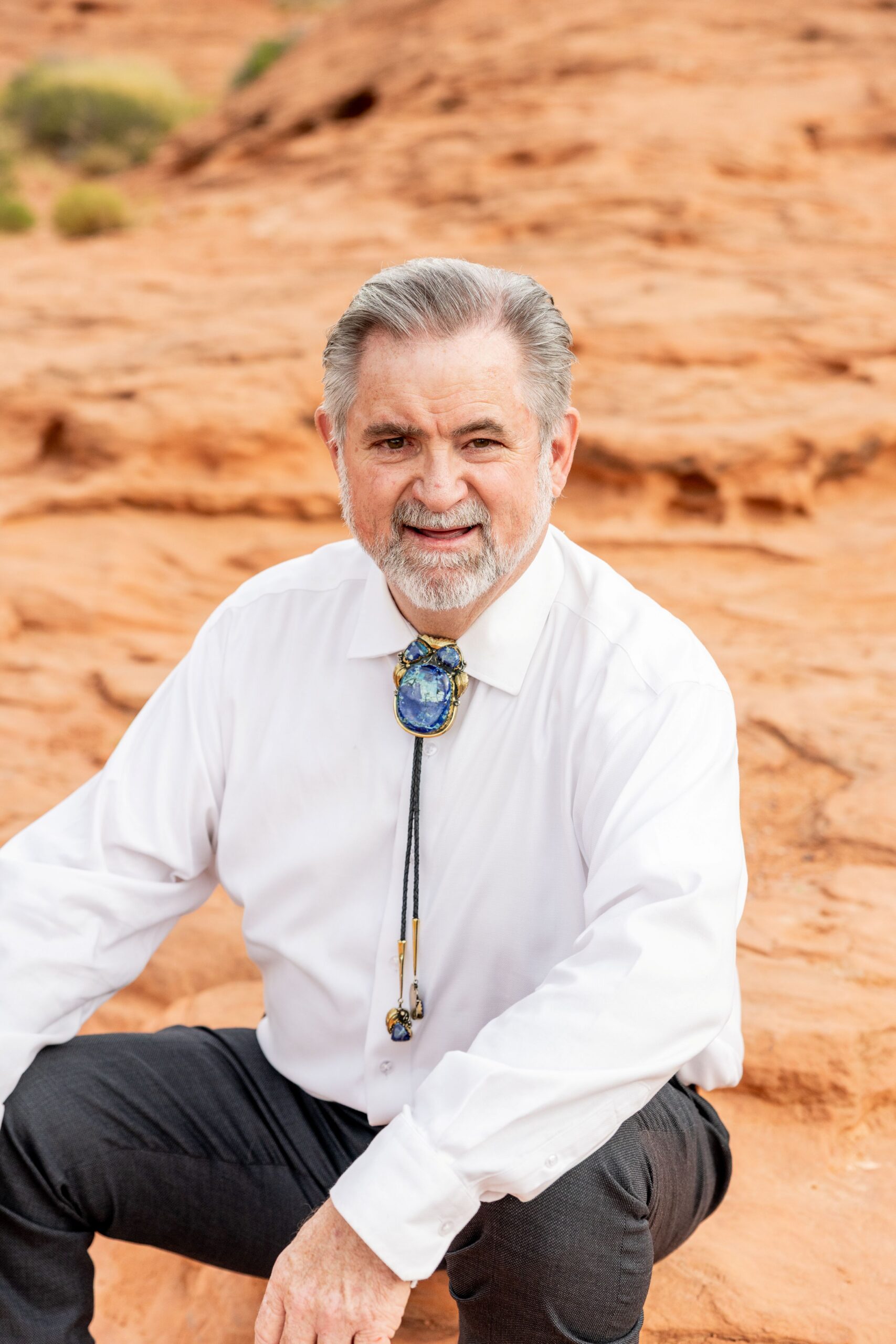
Shane Neilsen is a brain injury survivor and the author of AFTER SURVIVAL: A Memoir of Choice, Consequence, and the Life That Followed. He lives in Panaca, Nevada, with his wife, Randi.