
CBIST Spotlight: Gary S. Seale
Categories: ACBIS Insider
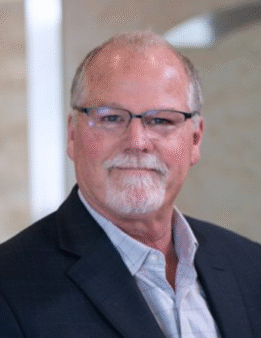 Gary S. Seale, PhD, LPA, CBIST, is the Regional Director of Clinical Services for the Centre for Neuro Skills. He received his doctoral degree from the University of Texas Medical Branch (UTMB) at Galveston, Texas. He is licensed in Texas as a psychological associate with Independent Practice and holds a clinical appointment at UTMB in the School of Health Professions – Department of Rehabilitation Science. His career spans 45 years in mental health services, the last 35 years in post-acute brain injury rehabilitation.
Why have you chosen a career in brain injury? Why are you passionate about brain injury?
I entered the field of post-acute brain injury rehabilitation in 1990. Prior to 1990, in both undergraduate and graduate college coursework, I was very interested in neuro. Between 1982 and 1990, I worked in a variety of settings with diverse clinical populations that prepared me for a career in brain injury rehabilitation. I worked at the Helen Keller School, treating adolescents with sensory impairments (vision and hearing) and intellectual disabilities. I later worked at a community mental health center, delivering therapies to adults with psychiatric diagnoses and behavioral challenges (depression, anxiety, anger, substance misuse). Finally, I directed community-based residential and sheltered workshop programs for adults with dual diagnosis. Many of these individuals had difficulties with activities of daily living and maintaining employment. Individuals with brain injury frequently demonstrate sensory impairments (primarily vision), neuropsychiatric and neurobehavioral complications, and difficulty performing ADL’s and employment-related activities. I believe my academic interests and early work experiences helped prepare me for a role in brain injury rehabilitation.
I am passionate about brain injury because I feel everyone with a brain injury deserves access to intensive rehabilitation. Many individuals with brain injury, if provided with intensive rehabilitation of an appropriate duration, can return to productive and satisfying lives. Unfortunately, the brain injury population is misunderstood and underserved. Brain injury is often confused with severe mental illness or other challenging conditions. Because of a brain injury diagnosis, many individuals do not have access to appropriate care, and insurance providers do not provide coverage for post-acute rehabilitation. I am passionate about educating the public regarding the causes and consequences of brain injury, advocating for appropriate medical and therapeutic treatment for individuals with brain injury, and preparing professionals to deliver evidence-based treatment that can return individuals with brain injury to productive and satisfying lives.
How has the field of brain injury changed in your time working?
I entered the field of brain injury rehabilitation in 1990. Much has changed in the last 35 years! Lengths of stay have shortened significantly, so patients are entering post-acute rehabilitation with numerous medical issues necessitating the addition of nursing and medical specialties to manage and prevent medical complications. Standardized measures of outcome are common practice (vs. “homegrown” tools), allowing for objective measures of change and driving best practices. Technological advances have produced improved neuroimaging tools (i.e., diffusion tensor imaging), therapeutic equipment, like the Zero-G and, and blood biomarkers to detect concussion (i.e., Abbott’s iSTAT). Neuromodulation through direct current stimulation and transcranial magnetic stimulation are now commonly used to augment therapy. Many other advancements, such as virtual reality protocols, evidence-based guidelines for emergency medicine and rehabilitation for TBI and Stroke, neuroprotective agents like tissue plasminogen activator (tPA), have been developed and implemented. I could go on and on.
Why is having a CBIS(T) important to you? How is it helpful in your daily work?
It is important because brain injury is complex, affecting essentially every organ and every organ system in the body, producing impairments in cognitive, physical, emotional, and behavioral function. Therefore, brain injury rehabilitation requires a knowledgeable and highly skilled interdisciplinary treatment team. Clinicians require the proper information, training, and experience to deliver the right therapy at the right time, for the right duration in order to maximize outcomes. The CBIS credential provides an excellent foundation. I enjoy being a CBIS Trainer because it allows me to educate and mentor new therapy staff, and advocate for exceptional patient care.
What are some challenges you have faced working with individuals with brain injury?
I still believe one of the biggest challenges is access to care. Despite advances made in advocacy by organizations like BIAA and programs like CNS, insurance denials and short lengths of stay prevent patients from achieving optimal rehabilitation outcomes. Limited numbers of quality rehabilitation options in some areas of the country (or rural areas in some states) are another access issue and challenge for patients and families.
How can clinicians best support individuals, caregivers, and family members?
In short, treat aggressively, educate/train, and advocate. Clinicians can support individuals with brain injury by staying abreast of best practices (including obtaining the CBIS credential), providing intensive treatment and education. Clinicians can best support caregivers and family members by providing brain injury education and strategy training in order to support the person with brain injury in the discharge community. And finally, clinicians can best support individuals, caregivers, and family members by being an advocate for access to treatment.
What do you see as the future of the brain injury field/research/education?
Artificial Intelligence (AI) and other technologies will transform brain injury medicine and rehabilitation, allowing for precise and individualized treatment. In the future, patients will receive the right treatment, at the right time, at the right intensity, for the proper duration to produce an optimal outcome. AI will assist clinicians with some of the administrative aspects of rehabilitation, such as report writing, scoring, and interpretation of assessment data, etc., allowing more time to deliver treatment. AI will assist with the implementation and individualization of innovative treatment modalities, such as neuroprotection, neuromodulation, the brain-gut connections, the importance of sleep in brain injury recovery, etc., promoting and capitalizing on neuroplasticity. One recent example of this technology is pharmacogenomics. Using a person’s genetic information and pharmacological information (i.e., actions, side effects, of specific medications), prescribing medications for a particular patient for a specific condition is no longer trial-and-error. Pharmacogenomics allows physicians to prescribe specific medications that will benefit a patient without undue side effects.