
Nekita Schofield
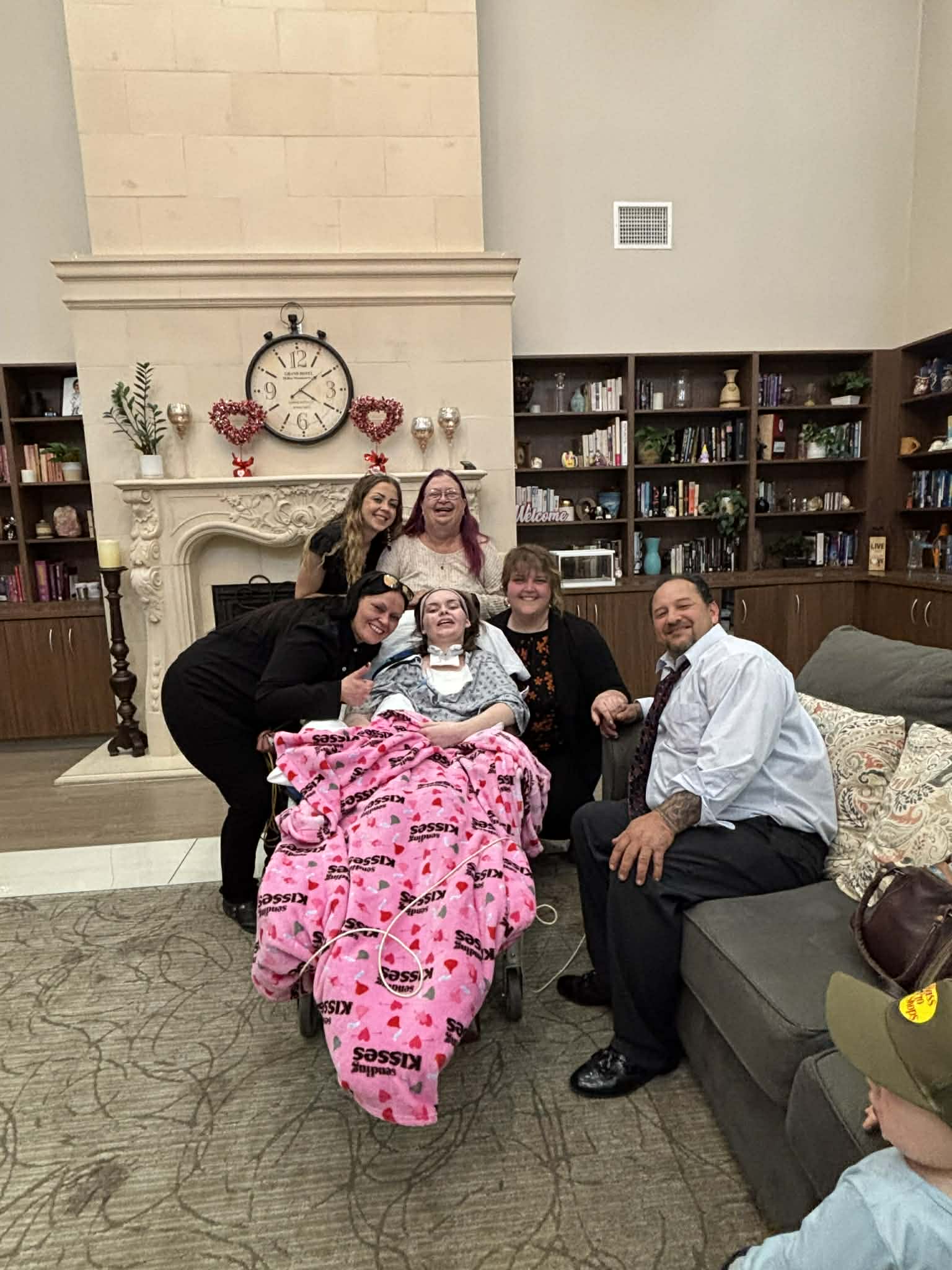
My daughter’s traumatic brain injury journey can be summed up in one word: perseverance.
Before her injury, she was full of life, personality, and dreams for her future. After her traumatic brain injury, our world changed overnight. What many people do not understand about brain injuries is that recovery is not a straight road. It is unpredictable, emotional, exhausting, and deeply personal. There are victories that seem small to the outside world but feel enormous to families living through them every day.
Since her injury, my daughter has faced challenges that no young person should ever have to endure. Along with the physical and cognitive effects of a traumatic brain injury, she has also had to navigate the emotional impact of losing independence, changes in her daily life, extended care needs, and the stress that comes with others making decisions about her future. Through all of this, she has continued to fight to have her voice heard.
One of the hardest parts of brain injury is that people often judge survivors based only on what they can physically see. Many assume that if someone can smile, speak, or have a good day, they must be “fine.” What they do not see are the struggles behind the scenes: the emotional overload, memory issues, fatigue, frustration, fear, confusion, and the constant effort it takes just to get through everyday life.
Brain injury changes not only the survivor’s life, but the lives of everyone who loves them.
Despite everything she has been through, my daughter continues to show incredible strength. She has fought through painful setbacks, difficult environments, and emotional hardships while still trying to hold on to herself. There have been moments where progress felt slow, but even in the darkest times she has continued moving forward one step at a time.
Her resilience has taught our family the true meaning of courage.
This journey has also taught me the importance of advocacy. Families of brain injury survivors often have to become caregivers, researchers, protectors, and voices for their loved ones all at once. I have learned how important it is to listen to survivors, respect their dignity, and remember that healing is not only physical. Compassion, patience, and emotional safety matter just as much as medical care.
If I could give advice to another family beginning this journey, it would be this: never give up hope, and never stop advocating for your loved one.
Recovery does not always look the way people expect it to, but every moment of connection, every expression of emotion, every small accomplishment matters. Celebrate the small victories because those victories are mountains climbed.
My daughter’s story is still being written. While traumatic brain injury changed the course of her life, it did not take away her worth, her spirit, or the love surrounding her.
She continues to inspire me every single day with her strength, perseverance, and determination to keep going despite everything she has faced.