
Megan Jaime Arriaga
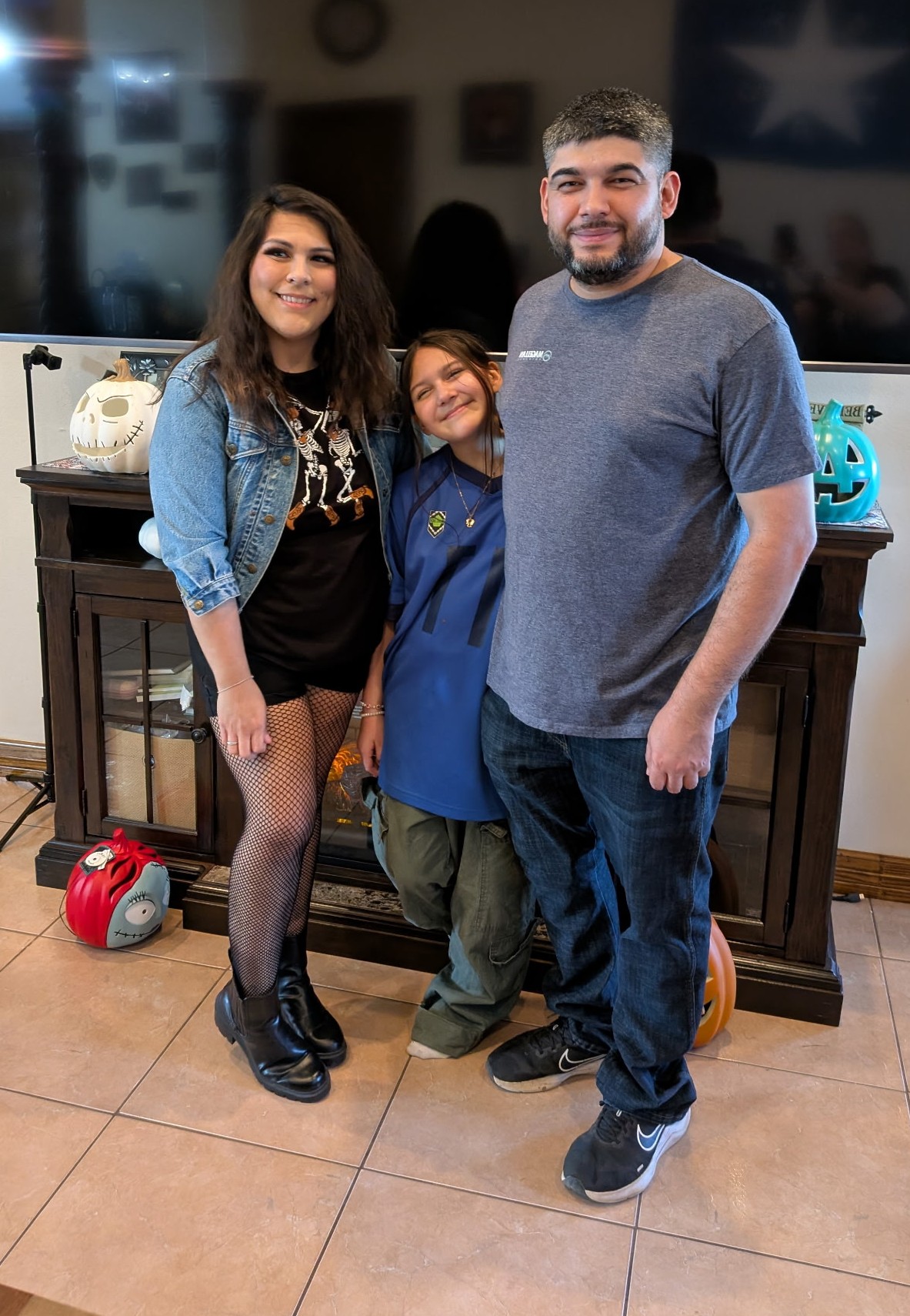
My name is Megan Jamie Arriaga. I am 34 years old, a mother, a wife, and a survivor of a traumatic brain injury and epilepsy caused by that injury. A little over a year ago, my life changed in an instant.
My family and I were driving from our hometown to have breakfast—an ordinary morning that none of us expected would alter our lives forever. Suddenly, a truck cut across three lanes of traffic, forcing us off the road. In the chaos of the crash, the airbags deployed. That moment marked the beginning of a completely new reality for me.
In the weeks and months that followed, doctors discovered the extent of my injuries. I had suffered microbleeds in my frontal lobe, significant axonal shearing, and a coup-contrecoup brain injury. Because the damage was identified later, I eventually developed frontal lobe epilepsy as a result of the trauma.
Recovery was anything but simple. I had to relearn some of the most basic parts of being human—how to walk, how to speak clearly, and even how to recognize the people closest to me. To this day, memory and recognition remain daily challenges. I have an 11-year-old daughter whom I love deeply, yet there are moments when my brain confuses her with my younger sister. Experiences like that are incredibly difficult, but they are part of the reality of living with a traumatic brain injury.
After the accident, I spent time in San Antonio with my twin sister, who helped guide me through the emotional and psychological challenges that followed. People with frontal lobe injuries often struggle with emotional regulation, and learning to understand and process my emotions again has been an ongoing journey.
One of the most meaningful sources of strength during this time has been my husband. Because of my memory challenges, we often say our love story resembles the movie 50 First Dates. In many ways, I feel like I am meeting him and falling in love with him again and again. His patience, kindness, and commitment remind me daily that love is not defined by memory—it is defined by devotion.
Even now, there are mornings when I wake up and feel as though I am starting from day one. For a long time after the accident, my seizures were one of the greatest concerns. Finding the right medication felt like an uphill battle. Thankfully, after many challenges, I have now been on a medication that has successfully controlled my seizures for the past three months.
Much of my life before the accident feels distant and fragmented. If I am being honest, I cannot clearly remember the past ten years of my life. Even with cognitive therapy, those memories remain scattered pieces of a puzzle I am still trying to put together. What I do know is that before the accident I had been training for a fitness competition and had successfully lost over 100 pounds—something that reflects the determination that continues to guide me today.
Despite everything, I consider every day a blessing. I am deeply grateful to still be here with my family. I believe that God has kept me here for a reason and that my story serves a greater purpose.
While my past may not always be clear, the future still holds something beautiful: the chance to create new memories. Every day is another opportunity to move forward with hope, resilience, and faith.
My journey is not defined by what I have lost—it is defined by the strength it takes to keep going.