
Martha Scott
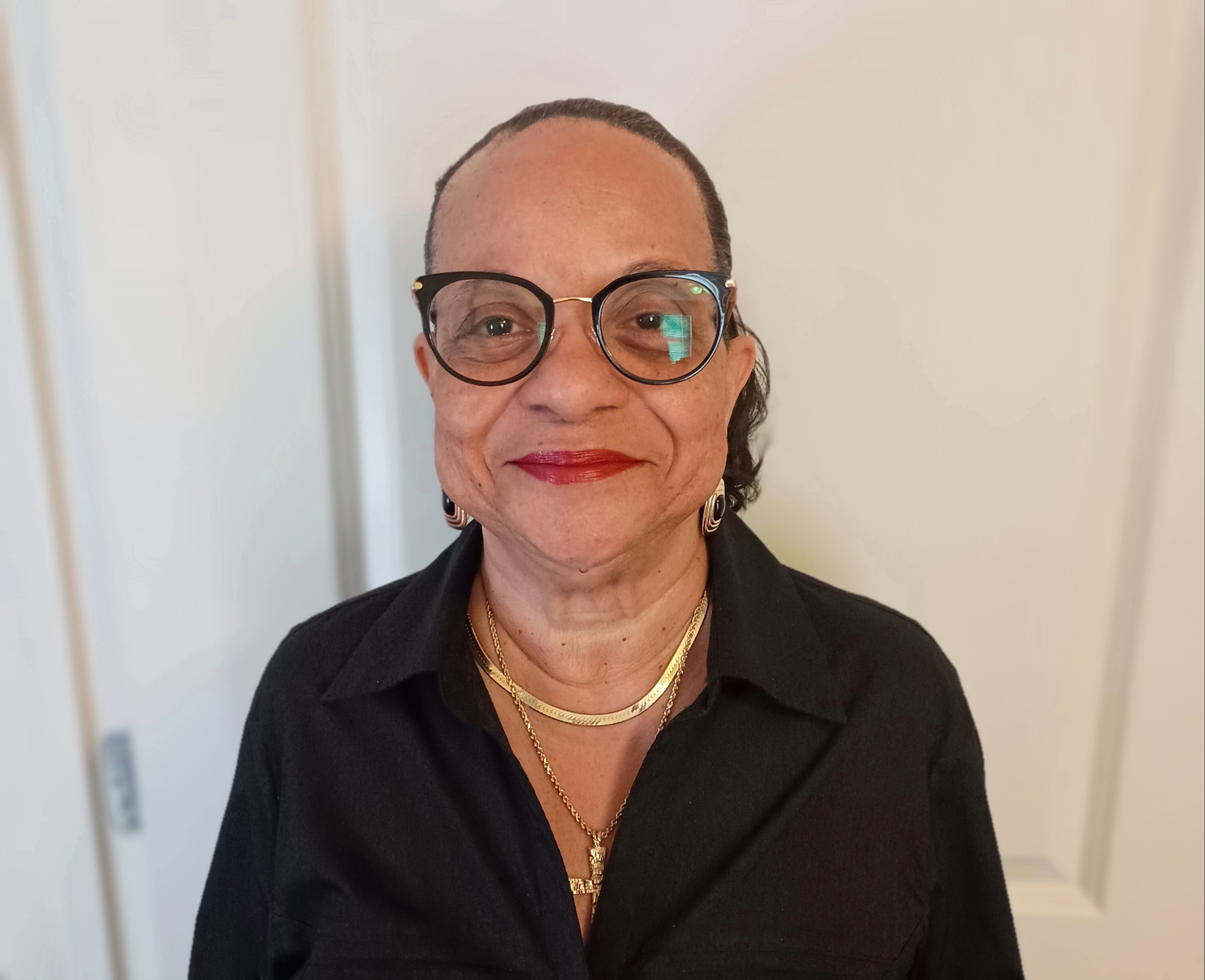
My name is Martha Scott & I had a kiwi size brain tumor in my left frontal lobe. This resulted in my life turning on a dime. I would like to share a little about my recovery journey. In February of 2018 I found myself homeless and moved all that I could into my 2010 Nissan Sentra looking for somewhere safe to park. It never occurred to me that I would ever be homeless, but I was.
Fast forward to October 4, 2018 when I went to my doctor to get prescriptions refilled. The doctor ended up calling 911 & wanted me to go to the ER to be evaluated.
Low and behold after the MRI the doctor told me that they discovered a kiwi size brain tumor in the left frontal lobe of my brain, which was affecting my left eye as well.
I told the doctor that I was having a difficult time remembering things and I was having episodes of falling. I never had any headaches, that was always really weird to me.
Once the tumor was removed the hard work really began. It was very difficult to get my thoughts and memories in line. There was a lot of rehabilitation to be done & all the therapy I was having was really tough to get through. I really had to acknowledge just how much was lost and that I was going to have to work really hard everyday to get back to my previous life. This journey was really scary.
The first day that I had speech therapy they had a page full of questions that I was supposed to answer correctly and I couldn’t remember the correct answers. I was stunned and went back to my room and cried after that session. I had a long talk with God and asked Him to help me get through this. This situation was much bigger than I thought and I had to really get busy working with my therapists and do everything they were asking. Each step was another goal to reach. Step by step, little by little it all started to come together.
My journey was long but eventually successful. After I left the hospital they took me to an inpatient brain injury program. I was shocked to learn that this was a lock down unit and I needed to work hard to earn my way out of here. It was at this point that my motivation kicked in. I was there for 4 months and I recovered enough to go to a staffed residential program which offered more freedom. I was there for 8 months.
This was a community reentry program. In my therapies some of the things I worked on were grocery shopping, cooking, cleaning, budgeting, and cognitive skills. However, my biggest desire was to be able to drive my car. I had a valid driver license but they still required me to go through the driving tests online & to take a driving test with an OT to verify that I could drive.
I’m happy to say that I passed the driving tests and that I obtained enough skills to eventually move into my own apartment. I still receive speech therapy and counseling every week.
Although my journey was long & arduous and still continues, my point is to never give up, no matter how hard it is. Therapy must be hard so you can relearn the skills you lost. It frustrated me so much but it also fueled my fire to keep going even through the tears. You can never give in. and you never give up. Just keep telling yourself that and always talk to God. He is always with you through the fight.
Through all of this I tried to keep myself aware of what was happening to me every step of the way. I kept notes and I told myself I was going to write a book about my experience. My memoir is called “My Life Turned on a Dime” and it was self published on Amazon in March 2024. I wrote this book to be an inspiration to all of my fellow brain injured survivors to let them know there is a way forward, don’t ever give up!
If you would like to buy my memoir you can go to Amazon & look up the title “My Life Turned on a Dime” written by Martha Scott. It only costs $10. I wanted to keep it affordable so many people could read about my journey and be inspired! I wish everyone the best in their recovery.