
Chloe Howard
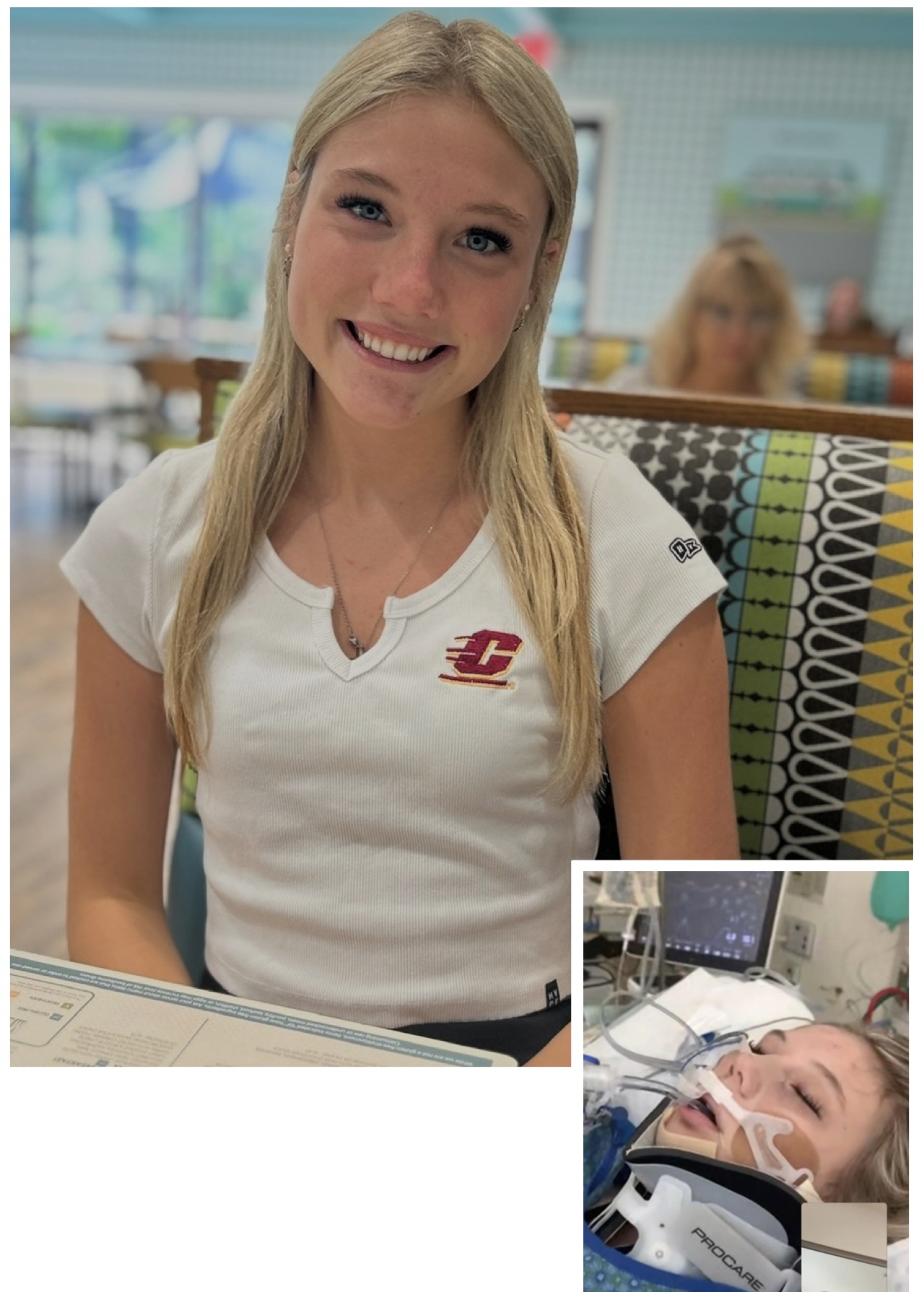
If I had to describe my brain injury journey in one word, it would be resilience.
On February 12, 2022, everything changed in an instant. What started as a normal day preparing for a snowboarding competition turned into a near-fatal accident that left me with a traumatic brain injury. A grade 3 diffuse axonal injury with a 10% chance of survival and likelihood of never again walking or taking.
Recovery didn’t happen all at once. In many ways, I felt like a toddler again for months. Simple things felt overwhelming. Tasks that once came naturally suddenly required intense effort and focus. Healing was slow, frustrating, and invisible to most people around me.
Since my injury, my life has taken a different path than I expected. One of the hardest moments was realizing I wouldn’t be able to get my driver’s license on my 16th birthday. It was something I had looked forward to for years, and missing that milestone made the reality of my injury feel even heavier. Everything I’ve accomplished since then—academically, emotionally, physically—has been harder than normal. But it’s also made every accomplishment more meaningful.
One of the biggest misconceptions about brain injury is that recovery has an endpoint. That once you look okay, you must be okay. But brain injuries are often invisible. Fatigue, cognitive overload, and emotional changes don’t always show on the outside, even when they’re very real on the inside. Recovery isn’t linear—and progress doesn’t happen on a predictable timeline.
Knowing what I know now, I wish I had understood sooner that it’s okay to slow down. That rest is part of healing. That pushing through isn’t always the answer. And that asking for help doesn’t mean you’re failing—it means you’re listening to what your brain needs.
To anyone who has recently experienced a brain injury or is about to leave acute care, my advice is this:
Be patient with yourself. Celebrate the small wins. Don’t compare your recovery to anyone else’s. And trust that healing can continue even when it feels slow or uncertain.
I also want to say thank you—to my family, my friends, my medical team, and my community who rallied around us during the hardest moments. When I couldn’t advocate for myself, you did. When progress felt impossible, you believed in me. That support carried me through more than you’ll ever know.
Today, I’m doing something that once felt unimaginable. I’m a college student at Central Michigan University. When I think about where I started—being told I might not survive—to where I am now, I’m reminded that resilience isn’t about how fast you recover. It’s about continuing forward, even when the road is harder than expected.
I share my story to give hope to others walking this journey. Life after a brain injury may look different—but it can still be full, meaningful, and worth believing in.